
How Winter Cold Affects Garage Door Springs in Texas
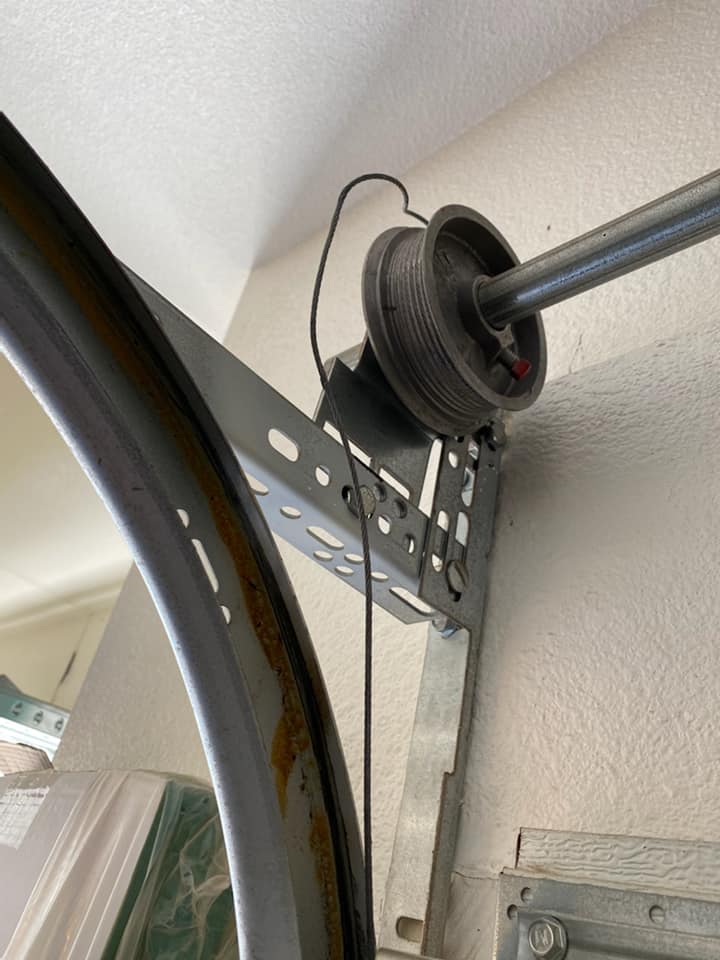
Every winter, Texas cold snaps bring a wave of broken garage door springs. It is not a coincidence. The same blast of Arctic air that has you reaching for a heavy coat is quietly stressing the steel coils above your garage door. Bedford homeowners are often surprised that springs fail more in winter than in summer, but the physics are straightforward. Here is why it happens and how to protect your door before the next freeze.
At a Glance
Key Takeaways
- Cold makes spring steel brittle, which is why most snaps happen on freezing mornings
- Thickened lubricant adds friction exactly when springs are at their weakest
- A yearly tune up before winter is the best prevention against cold snaps
- If a spring snaps, keep everyone clear and call a contractor instead of forcing the door
Why Cold Makes Steel Springs Brittle
Steel contracts as it cools. In a torsion spring, that contraction tightens the coil and increases internal stress. Cold also reduces the flexibility of steel. A spring that bends and flexes easily at 70 degrees becomes stiffer and less forgiving at 25 degrees. Microscopic cracks that have been growing through years of normal use reach their breaking point faster under that added stress.
This is why an older spring can survive all summer and then snap in January. The cold did not create the weakness. It exposed it. Springs that are already near the end of their cycle life are the ones most likely to fail when the temperature drops. Our guide on how long garage door springs last explains cycle ratings and the warning signs of an aging spring.
Why Springs Snap on the Coldest Mornings
The coldest part of the day is just before sunrise, and that is when most winter spring failures happen. The spring has soaked in the cold all night, reaching its stiffest and most stressed state. Then you press the opener button for the morning commute, and the first cycle of the day asks the brittle steel to do its hardest work. Snap.
Doors that sit unused for a day or two during a freeze are at similar risk on their first cycle back. The longer the cold soak, the greater the stress on that first lift. If your door groans or moves sluggishly on a freezing morning, that is the steel telling you it is under strain.
Lubricant Thickens in the Cold
Grease and oil get thicker as temperatures drop. The lubricant that kept your springs and rollers moving smoothly in October can turn sluggish in January, adding friction exactly when the steel is least able to handle it. This is one reason a fresh application of silicone based lubricant before winter makes such a difference. It stays fluid at lower temperatures than petroleum based products.
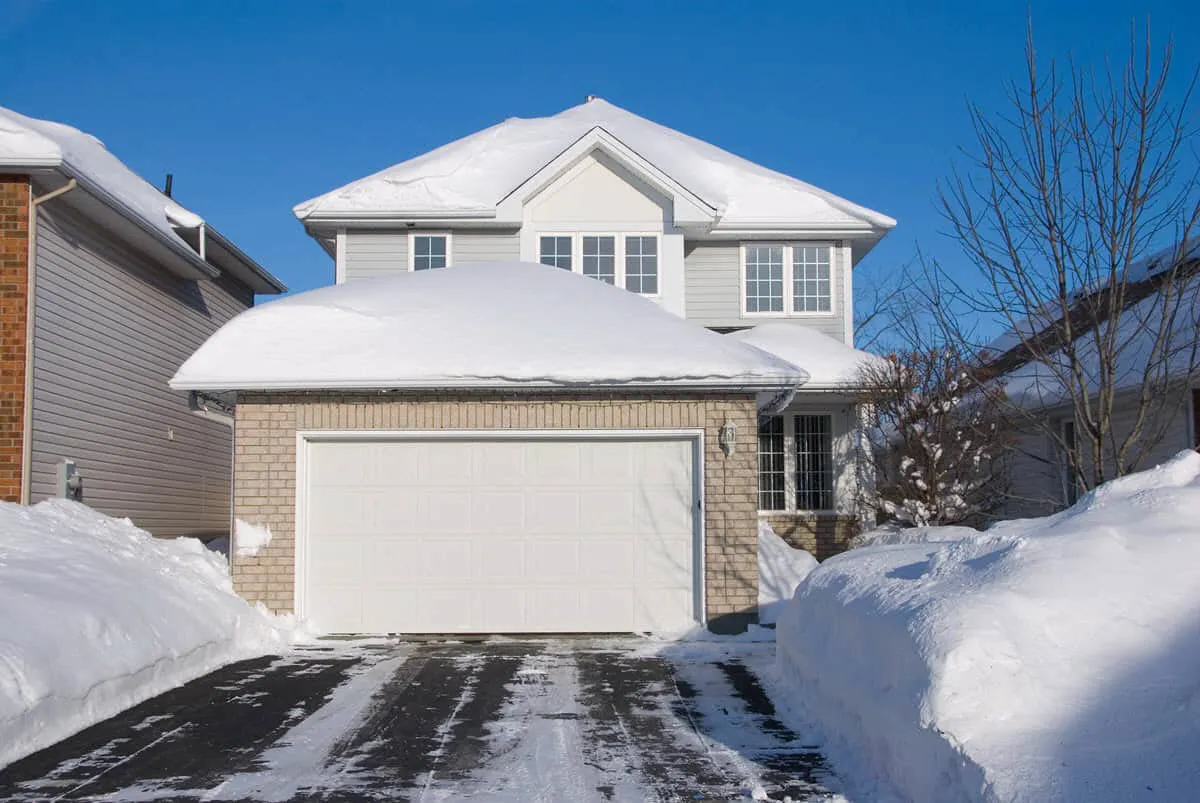
Dry, unlubricated springs in winter are the worst combination: brittle steel plus extra friction. A few minutes with a lubricant can in the fall is one of the cheapest forms of protection a homeowner can buy. Add it to your seasonal maintenance checklist before the first freeze is forecast.
Signs Your Springs Are Vulnerable
Before winter arrives, look for the warning signs. Rust on the coils is the clearest one, because rust pits the steel and gives cracks a place to start. A spring that is seven or more years old has used up most of its cycle life. Squeaking or popping sounds during operation suggest dry, stressed metal. A door that feels heavier than it used to, or an opener that strains on cold mornings, is telling you the springs are near their limit.
If you notice any of these in the fall, do not wait for the first freeze to act. Proactive replacement beats a midnight emergency every time.
Prevention Before the Next Cold Snap
Late fall is the time to prepare. Apply silicone based lubricant to the springs, hinges, and roller bearings. Check the weather seal along the bottom of the door and around the frame. Sealing gaps keeps the garage a few degrees warmer overnight, which takes real stress off the springs.
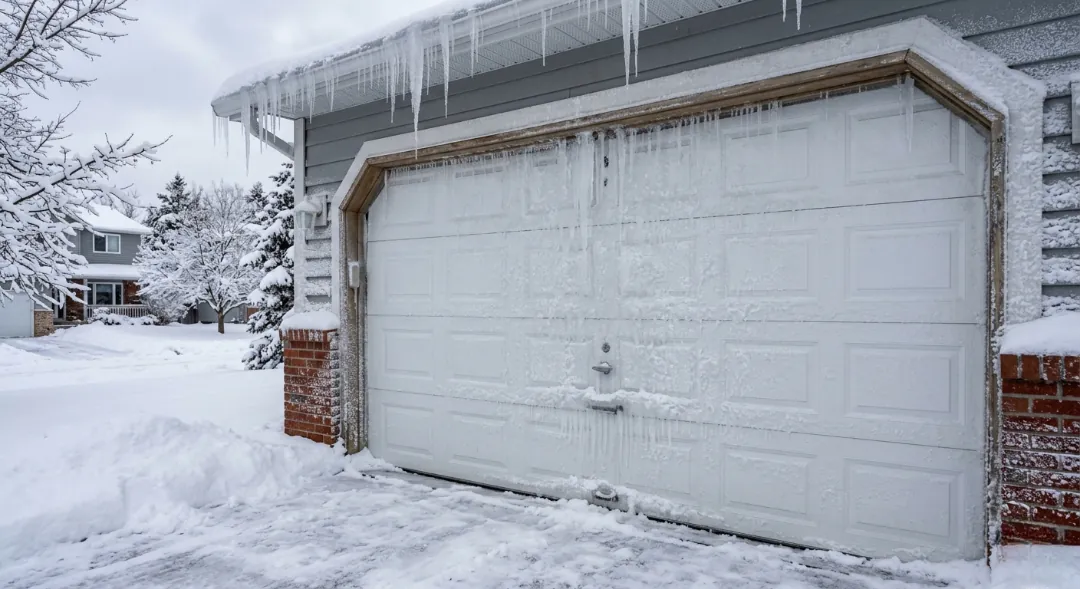
Consider insulation if your garage door is uninsulated. An insulated door holds garage temperatures steadier through a cold snap and softens the overnight plunge that shocks the steel. And if your springs are old or rusty, have a contractor replace them before winter rather than after a failure. A planned replacement is calmer, safer, and far less disruptive than an emergency call during a freeze.
What to Do If a Spring Snaps
You will usually hear it: a loud bang like a firecracker in the garage. The door may then refuse to open, or it may open a few inches and stop. Do not keep pressing the opener button. Running the motor against a broken spring can burn it out and turn one repair into two.
Do not try to lift a door with a broken spring by hand unless you are certain it is a lightweight door and you have help standing by. The full weight is now uncontrolled. Keep the door closed, keep people away from it, and call for help. If the door is stuck open or you cannot secure the garage, emergency garage door repair is available around the clock.
To get connected with a local contractor for emergency spring service in Bedford, call (817) 372 4028. Emergency contractors work through cold snaps, and a broken spring is one of the most common winter calls they handle.
Related Guides
Worried About Your Springs This Winter?
Do not wait for the coldest morning of the year to find out. Call now and our service will connect you with a Bedford TX garage door contractor.
Call (817) 372 4028